14-Digit Mechanical Keypad Door Lock, Adjustable Handle
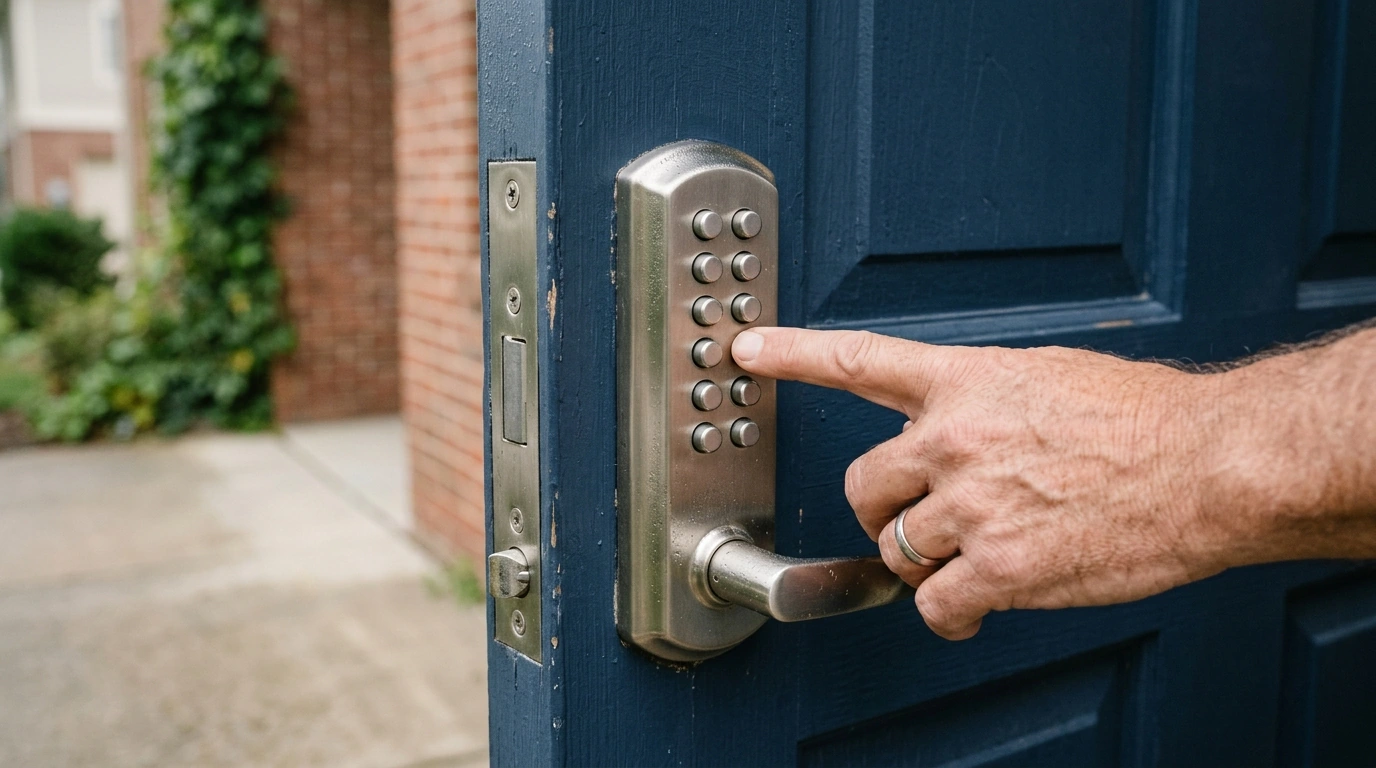
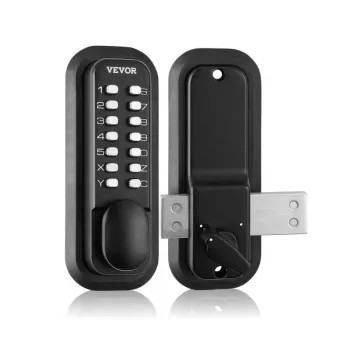
Mechanical Keyless Entry Door Lock with 14 Digit Keypad and Adjustable Handle
A mechanical keypad door lock is a straightforward way to share access without depending on batteries, apps, or wiring. For entry doors, side doors, offices, and rental spaces, this style of lock focuses on one job: reliable daily entry using a code. When you pair a multi-digit keypad with an adjustable handle, you also gain flexibility for different door handing setups—helpful if you’re upgrading existing hardware or preparing a unit for turnover.
What a Mechanical Keypad Lock Does Well
Mechanical keypad locks are built around physical components rather than electronics. That design choice can be a major advantage in busy, shared-access environments.
- Keyless access without power: no charging, no battery swaps, and no connectivity requirements.
- Consistent operation in temperature swings and heavy use: mechanical entry can stay dependable where some electronic keypads struggle with dead batteries or intermittent behavior.
- Simple sharing: provide a code instead of copying keys (and avoid “lost key” headaches).
- Good fit for low-tech preferences: ideal when phones, Wi‑Fi, or smart hubs aren’t desired on the door.
If you’re comparing options, look for hardware that meets recognized performance expectations. Standards bodies such as ANSI/BHMA outline builders-hardware requirements, and UL provides certification information for many building products.
Key Features to Look For
Not all mechanical keypad locks are built the same. Before purchasing, it helps to focus on fit, usability, and the basics that protect the door frame as much as the lock itself.
- Keypad size and layout: larger, clearly spaced digits can reduce mis-entries and speed up access—especially for guests or staff who aren’t used to the door.
- Code capacity and reset method: confirm how codes are set/changed and how quickly a manager or owner can reset access after turnover.
- Adjustable handle handing: ensure the lever/handle can be configured for left-hand or right-hand doors (and verify the door swing before installation day).
- Weather considerations: for exterior doors, confirm resistance to moisture/corrosion and use a compatible seal or careful installation approach to limit water intrusion.
- Backset and door thickness compatibility: measure first so the latch and keypad assembly align correctly.
- Security hardware basics: pair the lock with a quality strike plate and long screws into the stud for better resistance to forced entry.
For doors that are part of an egress route, always confirm local requirements and applicable codes. Code resources like those published by the National Fire Protection Association (NFPA) can be a helpful reference point.
At-a-Glance Specs and Buying Checklist
Mechanical keypad locks are easier to live with when the door prep matches the hardware. A few minutes with a tape measure can prevent most installation problems.
- Confirm door measurements (thickness and backset) before purchase.
- Decide where it will be used: main entry, side door, interior office, storage area, or a garage-to-house door.
- Plan the code policy: who receives the code, when it changes, and how it is stored.
- Match finish and style to existing hardware for a consistent look across the door set.
| Item to verify | Why it matters | What to do |
|---|---|---|
| Door handing (left/right, inswing/outswing) | Ensures the adjustable handle aligns and operates correctly | Stand outside: hinges on left = left-hand; hinges on right = right-hand; confirm swing direction |
| Door thickness and backset | Prevents latch/lock misfit | Measure thickness and distance from door edge to bore hole center |
| Existing bore holes and latch position | Reduces extra drilling and alignment issues | Compare current hardware layout with the lock’s requirements |
| Strike plate and door frame condition | Improves security and smooth closing | Replace worn strikes; use longer screws into framing where appropriate |
| Outdoor exposure (rain/salt/heat) | Impacts longevity and corrosion resistance | Add a door canopy or choose placement with less direct exposure when possible |
Where This Style of Lock Makes the Most Sense
Mechanical keypad locks are often chosen for doors that get frequent traffic and need reliable shared access without the overhead of managing keys.
- Short-term rentals and guest spaces: change access between stays without collecting keys.
- Small offices and workshops: provide staff access without key distribution overhead.
- Detached garages and sheds (when door type supports it): quick entry with gloves or tools in hand.
- Homes with frequent visitors: cleaners, contractors, and service providers (supported by a clear code-change routine).
- Backup access on a secondary door: mechanical operation can be useful during power outages or when you want a non-electronic option.
Installation and Day-to-Day Use Tips
Product Spotlight: 14 Digit Keypad with Adjustable Handle
If you want no-battery, no-app entry with flexible installation, the Mechanical Keyless Entry Door Lock with 14 Digit Keypad and Adjustable Handle is designed around practical, mechanical access.
More In-Stock Picks
- Cut Costs Smarter With AI – Money-Saving Business eBook | Digital Download
- Personalized Letter Necklace
- Opal Stone Sterling Silver Stud Earrings
FAQ
Does a mechanical keypad door lock need batteries or a power connection?
No. Mechanical keypad models operate through internal mechanical parts, so they don’t require batteries, charging, or wiring; exact features and code-setting steps depend on the specific lock model.
Will an adjustable handle work on both left-hand and right-hand doors?
Usually, yes. Adjustable or reversible handles are designed to be configured for left-hand or right-hand doors, but you should confirm the door swing and follow the manufacturer’s handing setup steps during installation.
Is a mechanical keypad lock suitable for an exterior door?
It can be, as long as the lock is appropriate for outdoor exposure and is installed correctly. For better longevity and security, reduce direct weather exposure when possible, reinforce the strike/door frame, and confirm any local code requirements that apply to the door.













Leave a comment