Smarter Potty Training with AI: A Practical Parent’s Guide with Tools, Tips, and a Simple Checklist
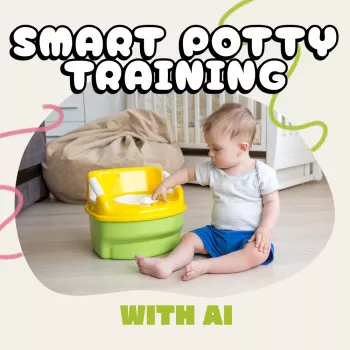
Potty training goes more smoothly when timing, routines, and expectations match a child’s readiness. Digital tools—especially AI-assisted trackers and planning helpers—can reduce guesswork by helping parents notice patterns, stay consistent, and adjust strategies without turning training into a power struggle. Below is a practical guide to readiness signs, a calm 7–14 day plan, and safe ways to use AI for schedules, language scripts, and progress tracking.
What “smarter” potty training looks like
- Focus on readiness, not a deadline: Fewer accidents typically come from starting when physical and emotional signs align.
- Consistency beats intensity: Short, predictable routines (sit times, reminders, praise) often work better than sporadic “big pushes.”
- Neutral responses to accidents: Clean up calmly, avoid punishment or shame, and return to the routine.
- Data helps: A simple log of pee/poop timing, fluids, naps, and accidents can reveal when to prompt—and when to pause.
- Supportive language: Clear choices (“Potty now or in two minutes?”) can reduce resistance and keep control battles low.
Readiness signals and common reasons training stalls
- Physical readiness: Dry stretches (about 2 hours), predictable bowel movements, can walk/sit/pull pants up and down with help.
- Communication readiness: Can follow 1–2 step directions, has a word/sign for pee/poop, indicates discomfort with wet/dirty diapers.
- Emotional readiness: Shows interest in bathroom routines, tolerates brief sitting, and has less anxiety around new habits.
- Common stall causes: Constipation, too much pressure, big life changes (new sibling, travel, daycare shift), or starting too early.
- When to pause for 1–2 weeks: Escalating anxiety, frequent meltdowns at sit times, or worsening constipation.
For additional readiness guidance and realistic expectations, see the American Academy of Pediatrics resource on toilet training at HealthyChildren.org.
A calm, structured potty training plan (7–14 days)
Days 1–2: Set up the environment
- Choose a child-sized potty or a seat insert plus step stool.
- Place wipes and spare clothes in key rooms.
- Add a waterproof mattress cover (even if night training isn’t the goal yet).
Days 1–3: Build predictable “anchor sits”
- Sit after waking, before naps/bed, after meals, and before leaving the house.
- Keep sits brief and pressure-free—aim for routine, not “results.”
Days 3–7: Add targeted prompts based on patterns
- Use your log to find likely windows (many kids need a prompt every 60–120 minutes at first).
- Prefer a few well-timed prompts over constant reminders.
Transition to daytime underwear (at home first)
- Start in a familiar environment with easy bathroom access.
- For outings, training pants can be a practical bridge—without framing it as “failure.”
Keep night training separate
Night dryness is largely developmental and often comes later. Separating daytime learning from overnight expectations can reduce frustration for everyone. For a helpful overview on getting started and staying steady, Mayo Clinic’s potty training guide is a solid reference: Potty training — how to get the process started.
How AI tools can make potty training easier (without replacing parenting)
- Pattern spotting: Use an AI note assistant to summarize the last 3–5 days of timing and highlight likely prompt windows (for example, 15–25 minutes after meals).
- Routine builder: Create a simple daily schedule aligned to naps, daycare drop-offs, and outings; revise weekly based on what’s actually working.
- Language scripts: Draft calm, consistent phrases for prompts, refusals, and accidents so every caregiver responds similarly.
- Checklist automation: Turn readiness signs and supply lists into a printable checklist; set reminders to restock wipes and spare clothes.
- Caregiver coordination: Share a short summary (best prompt times, rewards used, constipation notes) so daycare and family stay aligned.
- Privacy basics: Avoid entering identifying details; keep notes minimal; store logs locally when possible.
Tools, rewards, and routines: choosing what fits the child
Common potty training challenges and simple adjustments
| Challenge |
What it can mean |
Try this adjustment |
| Accidents happen right after being prompted |
Prompt timing is off or child feels pressured |
Prompt earlier based on logs; offer a choice (“now or 2 minutes?”) and keep tone neutral |
| Refuses to sit on the potty |
Control struggle or fear of the potty/toilet |
Shorten sit to 10–30 seconds; use a book/song; let the child decorate the potty; avoid forcing |
| Holds poop for days |
Constipation or fear of painful stool |
Increase fluids/fiber; foot stool for posture; consider pediatric guidance if persistent |
| Great at home, accidents on outings |
New environment disrupts cues and timing |
Potty before leaving + on arrival; pack spare clothes; use a predictable “travel prompt” schedule |
| Regression after progress |
Life change, illness, stress, or inconsistent caregiver responses |
Return to basics for 3–5 days; align scripts/routines across caregivers; reduce pressure |
A simple checklist for daily progress
Recommended resources (digital and giftable)
When to get extra help
FAQ
What age is best to start potty training?
Readiness matters more than age. Many children show readiness between 18–36 months, but starting before a child is physically and emotionally ready can make training take longer and feel more stressful.
How long does potty training usually take?
Some children learn daytime basics in a few days, while others need several weeks to feel consistent—especially for outings and childcare settings. Setbacks are common, and progress is often non-linear.
Can AI really help with potty training without overcomplicating it?
Yes—when it’s used to simplify decisions, not add pressure. AI can summarize patterns, help draft consistent caregiver language, and suggest a basic schedule, while parents stay in charge of what fits their child.
Recommended for you





Leave a comment