Smoother Baby-Food Prep Starts with Predictable Texture
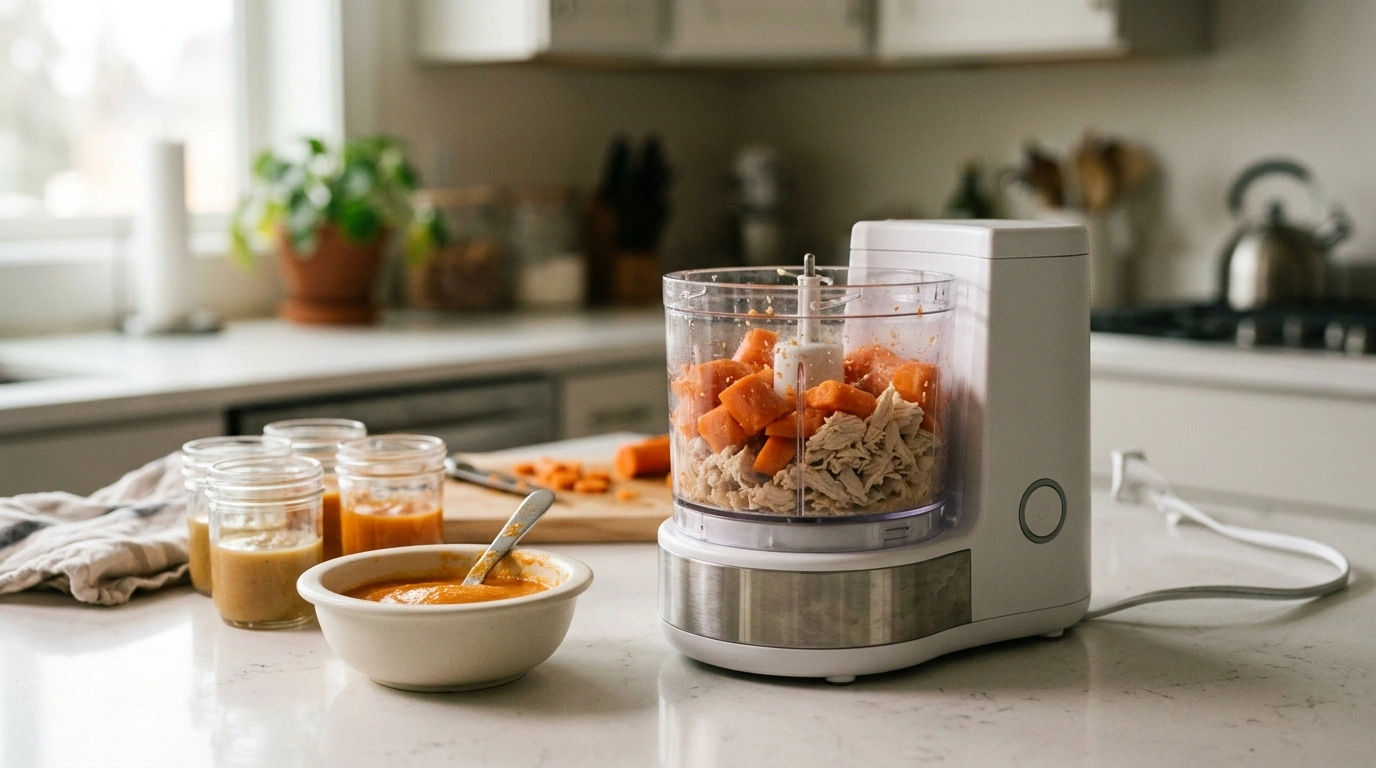
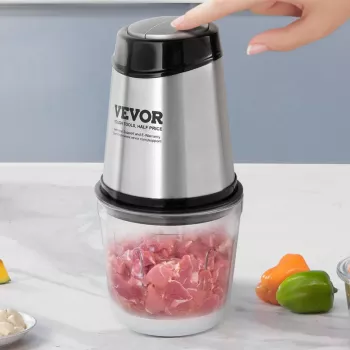
Homemade baby food is simplest when your prep feels repeatable: clean cuts, steady texture, and a pace that matches the ingredient. Our Electric Meat Grinder with Stainless Steel Blades & 2 Speeds for Baby Food is built for exactly that kind of routine—helping you turn cooked meats, soft vegetables, and fruits into baby-friendly textures without stretching meal prep into an all-afternoon project.
Whether you’re working on smooth purees for early solids or gradually adding a little texture as your baby progresses, two speed options and stainless steel blades make it easier to keep results consistent from batch to batch.
What This Grinder Helps You Do (Without Overcomplicating Prep)
- Make baby-food textures at home: from thicker mashes for early tastes to smoother blends as your baby progresses.
- Grind cooked meats for iron-forward meals, then mix with broth, breastmilk/formula, or cooked veggies for a softer, spoonable consistency.
- Batch-prep small portions so weekday meals are quick: grind, portion, chill, and serve on schedule.
- Keep flavor simple and ingredient lists short by controlling what goes in—especially helpful when you’re avoiding excess salt and sugar.
Stainless Steel Blades: Why They Matter for Baby-Food Texture
When you’re making baby food, “close enough” texture often isn’t close enough—because a few tougher bits can turn a seemingly smooth bowl into an inconsistent spoonful. Stainless steel blades help by creating cleaner cuts and a more even grind, which supports a consistent puree or finely minced texture.
- Cleaner cutting can produce a more uniform grind—useful when you’re aiming for smoothness or a very fine mince.
- Stainless steel is practical for kitchen tools you’ll wash often and use across different ingredients.
- Even texture makes it easier to thin safely with liquid rather than trying to fix uneven chunks afterward.
- Consistency is the goal: fewer surprises on the spoon and easier swallowing as your baby learns new textures.
Two Speeds: A Simple Way to Match Ingredient + Stage
One of the easiest ways to keep baby food from becoming overly runny (or still too chunky) is to match your processing speed to the ingredient and the stage you’re feeding. Two speeds give you a straightforward way to adjust as you go.
- Use the lower speed for softer cooked foods when you want controlled, gradual breakdown.
- Use the higher speed when you need faster processing or a finer result (especially after ingredients are already tender).
- Switch speeds to fine-tune texture instead of overprocessing everything into the same consistency.
- For early eaters, start smoother and thinner; for later stages, keep a little texture and progress slowly as your baby adapts.
Speed guide for baby-food prep
| Ingredient type |
Prep tip |
Suggested speed approach |
Texture goal |
| Cooked poultry or beef |
Cook until very tender; cut into small pieces before grinding |
Start low, finish high if needed |
Fine mince that thins into a smooth puree with added liquid |
| Cooked vegetables (carrot, squash, peas) |
Steam/boil until mash-soft; drain well |
Low for control; high for extra smoothness |
Smooth puree or thicker mash depending on stage |
| Soft fruits (banana, ripe pear, cooked apple) |
For firmer fruits, cook first; for very soft fruits, use small batches |
Low to avoid over-liquefying |
Uniform mash/puree without watery separation |
| Mixed meals (meat + veg) |
Grind meat first, then combine with veg |
Adjust as needed; avoid long continuous runs |
Spoonable blend with consistent small particles |
A Simple Workflow for Baby Food (Portion, Store, Serve)
- Cook first, grind second: baby-food grinding works best when ingredients are already soft and safe to eat.
- Work in small batches: it’s easier to control consistency and portion sizes.
- Thin safely: add small amounts of water, broth, or other appropriate liquid until the spoon test passes (smooth, no hard bits).
- Portion for convenience: store in small containers so you only warm and serve what’s needed.
- Serve with texture in mind: smoother for early stages; gradually thicker and slightly textured as your baby progresses and pediatric guidance allows.
For broader feeding-stage guidance, you can reference starting solids recommendations from the CDC and the American Academy of Pediatrics.
Practical Kitchen Notes: Cleanup, Cross-Use, and Food Safety Habits
- Clean promptly: especially after meats, so odors and residue don’t set.
- Avoid cross-contamination: keep separate cutting boards and utensils for raw ingredients vs. cooked baby-food ingredients.
- Cool and store correctly: refrigerate or freeze portions quickly after prep to help maintain freshness and reduce risk.
- Keep seasonings minimal: skip added salt and strong spice blends unless your pediatric professional advises otherwise.
- If you also grind for regular meals: wash thoroughly between uses so baby food stays mild and clean-tasting.
For safe storage basics (including leftovers handling), the USDA Food Safety and Inspection Service is a dependable reference point.
When This Grinder Is a Smart Fit
In Stock in Our Store
FAQ
Can an electric meat grinder be used to make baby food?
Yes—an electric meat grinder can help you make baby-food textures, especially with cooked meats and soft cooked produce. Cook ingredients until tender, grind in small batches, and thin to the right consistency for your baby’s current stage.
Which speed should be used for baby-food textures?
Use the lower speed when you want more control on soft foods and you’re trying not to overprocess. Use the higher speed to refine the texture after ingredients are already tender, adjusting based on your baby’s stage (smoother early, more texture later).
How should homemade baby food be stored after grinding?
Cool it quickly, portion it into small containers, and refrigerate or freeze promptly. Follow established food-safety guidance from trusted sources like USDA/CDC for safe handling and storage practices.
Recommended for you



Leave a comment