
No job is guaranteed to remain unchanged, but some roles depend on physical skill, human trust, and judgment in unpredictable situations. If you’re planning your next career move, we’d focus on jobs where AI can help with preparation and paperwork without taking over the core work.
Nurses assess changing conditions, provide hands-on care, and communicate with patients and clinical teams. AI may help organize notes or surface information, but a nurse must evaluate the patient in front of them and act within clinical standards. If you work in healthcare, use approved tools for administrative tasks—not as a substitute for clinical judgment.
Electrical work happens in real buildings, where access, wiring, and safety conditions vary. Electricians diagnose problems, install and repair systems, and verify that work meets applicable codes. AI can help you draft a materials list or plan questions for a site visit, but it cannot make a workspace safe or complete a hands-on inspection.
Teachers do more than deliver information. They notice confusion, adapt lessons, manage classrooms, and build relationships that help students learn. AI can help you generate practice activities or first drafts of lesson plans; you still need to review materials for accuracy, accessibility, and your students’ needs.
Counselors rely on trust, careful listening, professional boundaries, and responses tailored to an individual. AI can support scheduling or other approved administrative work, but it is not a replacement for a qualified professional’s care. Keep client information within your organization’s privacy rules and approved systems.
Operations managers coordinate people, priorities, budgets, and unexpected problems. AI can summarize routine reports and turn meeting notes into draft action lists. A manager remains responsible for resolving conflicts, making trade-offs, and confirming that plans work on the ground.
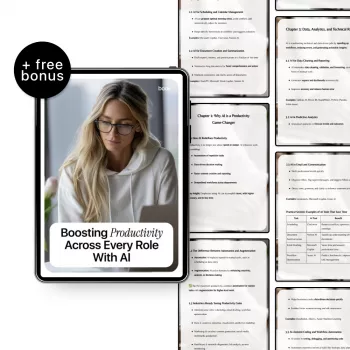
Across these jobs, the strongest approach is to pair your expertise with useful tools. Choose one repeatable, low-risk task to streamline, define what a good result looks like, and review every output before using it. For examples you can adapt to your role, see our guide to AI productivity workflows by role.
Use tools approved by your employer and remove personal, client, or proprietary details from prompts unless your organization explicitly permits their use. Our team recommends starting with non-sensitive tasks, such as drafting a generic checklist, and reviewing the result yourself.




Leave a comment